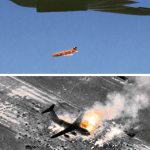
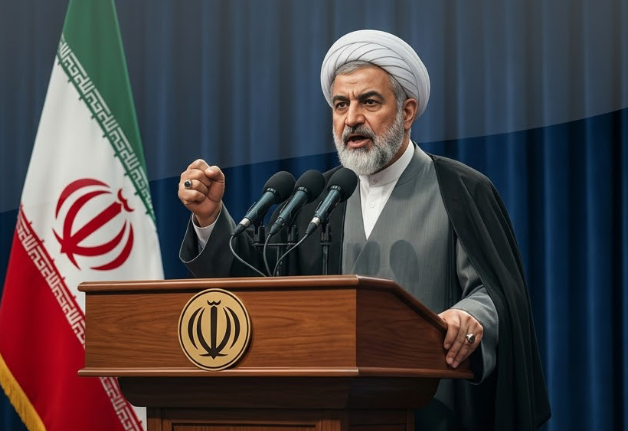
As the conflict between the United States, Israel, and Iran entered its fourth week in late March 2026, hopes for a diplomatic breakthrough suffered a serious blow. Washington, under President Donald Trump, had quietly delivered a detailed 15-point ceasefire framework to Tehran via Pakistani intermediaries, aiming to slow the intensifying war. However, Iran quickly dismissed the proposal, labeling it impractical and overly demanding, and instead put forward its own set of conditions, making clear that any resolution would have to align with its interests.
A Proposal Aimed at De-escalation
The American plan, reportedly sent around March 24, outlined several key requirements. These included limiting or dismantling Iran’s nuclear infrastructure—particularly major facilities such as Natanz and Fordow—alongside tighter controls on ballistic missile development. It also called for Iran to end its backing of regional allied groups, often referred to as the “Axis of Resistance,” and to ensure open, secure passage through the Strait of Hormuz for international shipping.
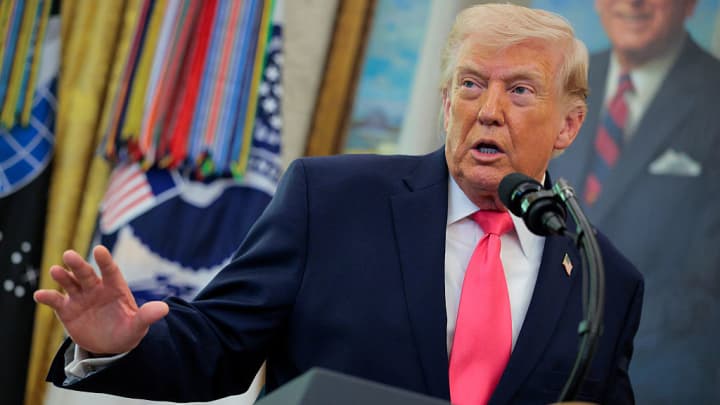
In exchange, the US signaled a willingness to gradually ease sanctions and consider a temporary ceasefire lasting about a month to allow further negotiations. President Trump publicly described the indirect talks as constructive, hinting that Iran might be more open to compromise than it was willing to admit. He even delayed a planned strike on Iranian energy infrastructure to keep diplomatic channels open.
Tehran Pushes Back
Iran’s response was swift and unequivocal. Senior officials, including Foreign Minister Abbas Araghchi, denied that meaningful negotiations were taking place and rejected the US proposal outright. Iranian media portrayed the offer as one-sided, with some officials criticizing Washington for attempting to frame its own position as a mutual agreement.
Rather than engaging with the US framework, Tehran introduced a five-point counterproposal. Its demands included an immediate halt to all US and Israeli military operations, firm international guarantees against future attacks or regime-change efforts, and compensation for wartime damage. Iran also called for a broader ceasefire across all conflict zones—extending beyond Iran itself to include proxy fronts in Lebanon, Iraq, and Yemen—and insisted on full recognition of its sovereignty, including authority over the Strait of Hormuz.
Leaders close to the country’s new Supreme Leader, Mojtaba Khamenei, emphasized that national pride and security were non-negotiable. Hardline factions, particularly within the Islamic Revolutionary Guard Corps, appear especially resistant to any concessions involving nuclear capabilities or missile programs.
Conflict Continues on the Ground
Despite ongoing diplomatic efforts behind the scenes, fighting has not slowed. Israeli forces have carried out additional strikes on targets within Iran, including areas in and around Tehran, while also expanding their military presence in southern Lebanon. Meanwhile, Iran has continued launching missiles and drones at Israeli territory and US-associated sites across the Gulf, with some recent attacks reportedly causing damage to infrastructure such as Kuwait International Airport.
The Strait of Hormuz remains one of the most sensitive flashpoints. Iran has imposed restrictions on maritime traffic, permitting passage only to vessels it considers non-hostile. This has contributed to ongoing volatility in global oil markets, with prices remaining elevated. Tehran has also warned that it could fully close the strait if further attacks target its critical infrastructure.
Deep Divisions, Uncertain Outlook
The stark differences between the US proposal and Iran’s counter-demands highlight a deep and longstanding mistrust between the two sides—one that has only intensified following recent military actions, including high-profile strikes that reshaped Iran’s leadership. Some analysts suggest that Washington’s proposal closely resembles earlier negotiation frameworks that Tehran had already resisted, further complicating the chances of progress.
Without a breakthrough, experts warn the conflict could drag on, worsening humanitarian conditions, increasing economic strain, and heightening instability across the region. The involvement of allied groups and the risk of naval confrontations in the Gulf add further uncertainty.
Countries such as Pakistan and Egypt continue to attempt mediation, but time is becoming a critical factor. The US has warned that failure to accept its terms could lead to more forceful action, while Iran appears equally determined to maintain its position—leveraging its control over the Strait of Hormuz as a key strategic advantage.
As of March 26, 2026, the situation remains highly volatile. The rejection of Washington’s proposal and Tehran’s firm stance suggest that any path toward peace will require significant concessions from both sides. Without them, the conflict risks becoming longer, more destructive, and increasingly impactful on the global stage.