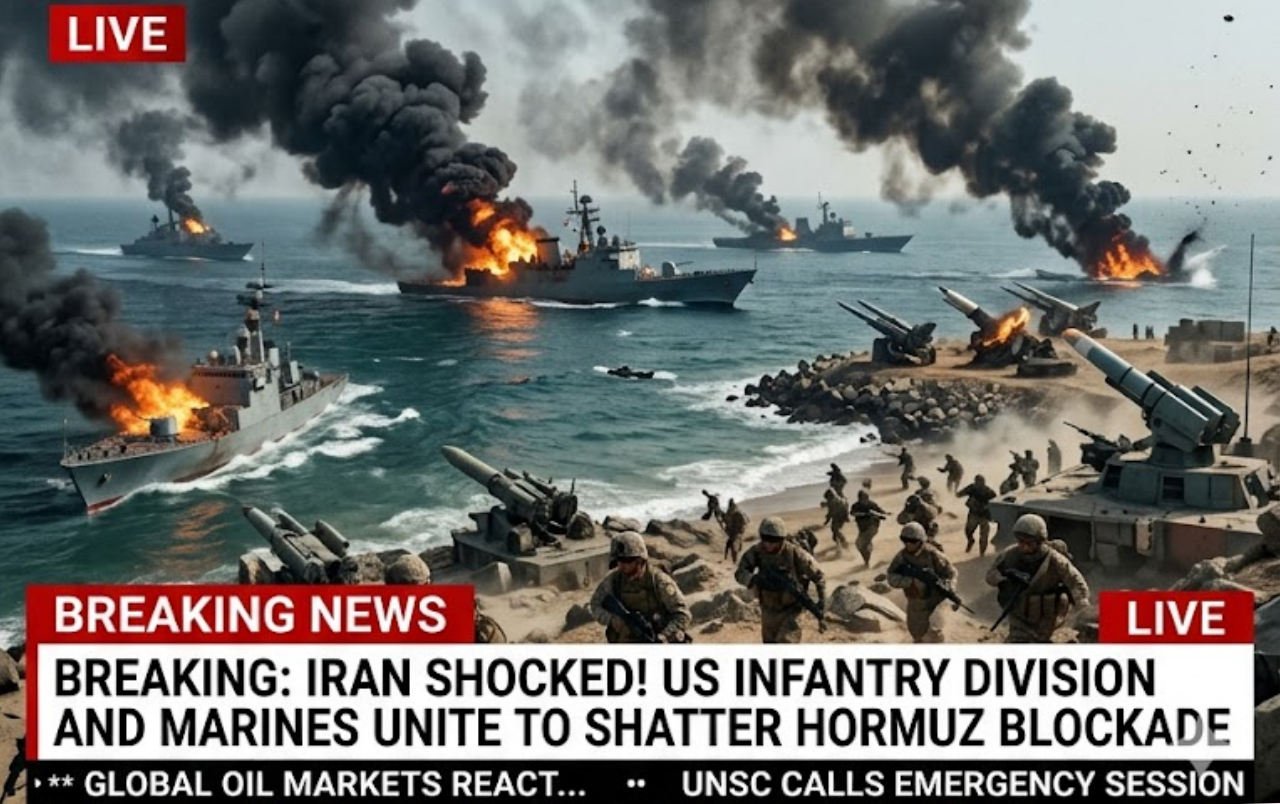
The long‑running conflict between the United States and Iran has reached one of its most critical turning points as American ground forces, including both U.S. Marines and an infantry division, reportedly moved to break Iran’s effective blockade of the Strait of Hormuz—a narrow waterway through which nearly a fifth of the world’s oil and natural gas flows. For weeks, Iranian Revolutionary Guard forces have threatened and effectively halted normal shipping traffic through the strait, using mines, fast attack boats, shore‑based missiles, drones, and warnings to commercial vessels to stay clear of the passage. Iran’s actions have significantly disrupted global energy markets, driving oil prices sharply higher and raising fears of long‑term economic impact across Asia, Europe and the United States.
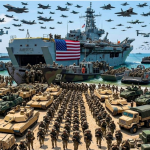
In response to Iran’s tightening grip around the chokepoint, U.S. military planners pushed forward a major joint operation involving large Marine Expeditionary Units along with additional ground forces drawn from an infantry division. Thousands of U.S. troops have been rushed to the region over recent weeks, reinforcing positions in neighboring countries and bolstering naval and air assets poised to support wider operations against Iranian defensive positions and minefields. These deployments have included not only Marines and airborne units, but also logistical support elements and amphibious assault ships positioned to project force into the narrow strait.
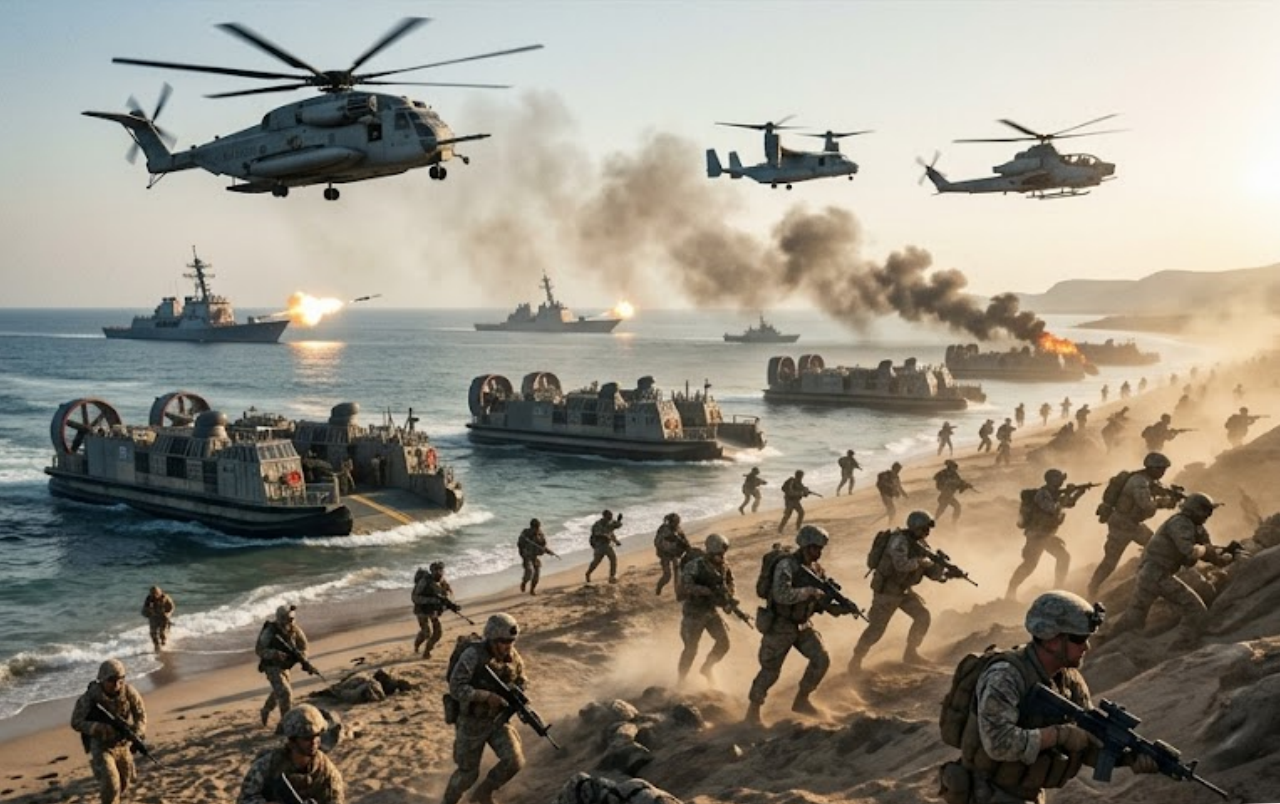
The combined ground and naval maneuvers were designed around a central U.S. objective: to reopen the Strait of Hormuz to international commercial traffic by neutralizing Iran’s coastal defenses and minefields that have paralyzed shipping routes. Despite repeated Iranian attacks on tankers and naval targets—several merchant vessels were struck or forced to turn back—the United States has emphasized the need for freedom of navigation as both a strategic military goal and an economic imperative.
The operation unfolded with a coordinated advance supported by artillery, air cover, and naval aviation. Marines and infantry units worked together to secure key islands and coastal positions that Iran’s forces used to monitor and harass transiting traffic. U.S. aircraft flew protective patrols while naval vessels conducted mine‑sweeping operations to clear shipping lanes, allowing Allied and commercial vessels to move safely through the strait once more.
Iran, taken aback by the scale and speed of the offensive, responded with rhetoric and sporadic counter‑attacks but lacked the capability to mount an effective defense against the combined American force. Tehran’s Revolutionary Guard Corps—long reliant on asymmetric tactics and threats of disruption—saw its leverage over the waterway diminish as Hormuz traffic resumed. This shift not only served as a tactical reversal for U.S. forces but also dealt a psychological blow to Iranian strategic planners who had counted on the blockade to gain bargaining power in the wider conflict.
The reopening of the Strait of Hormuz marks a significant milestone in the U.S.–Iran confrontation, alleviating some pressure on global fuel markets and signaling that coordinated U.S. ground and marine operations can overcome entrenched defensive strategies. As diplomatic efforts to secure a lasting ceasefire continue behind the scenes, the reopening of this vital waterway stands as a symbol of shifting momentum in a conflict that has reverberated far beyond the Middle East.