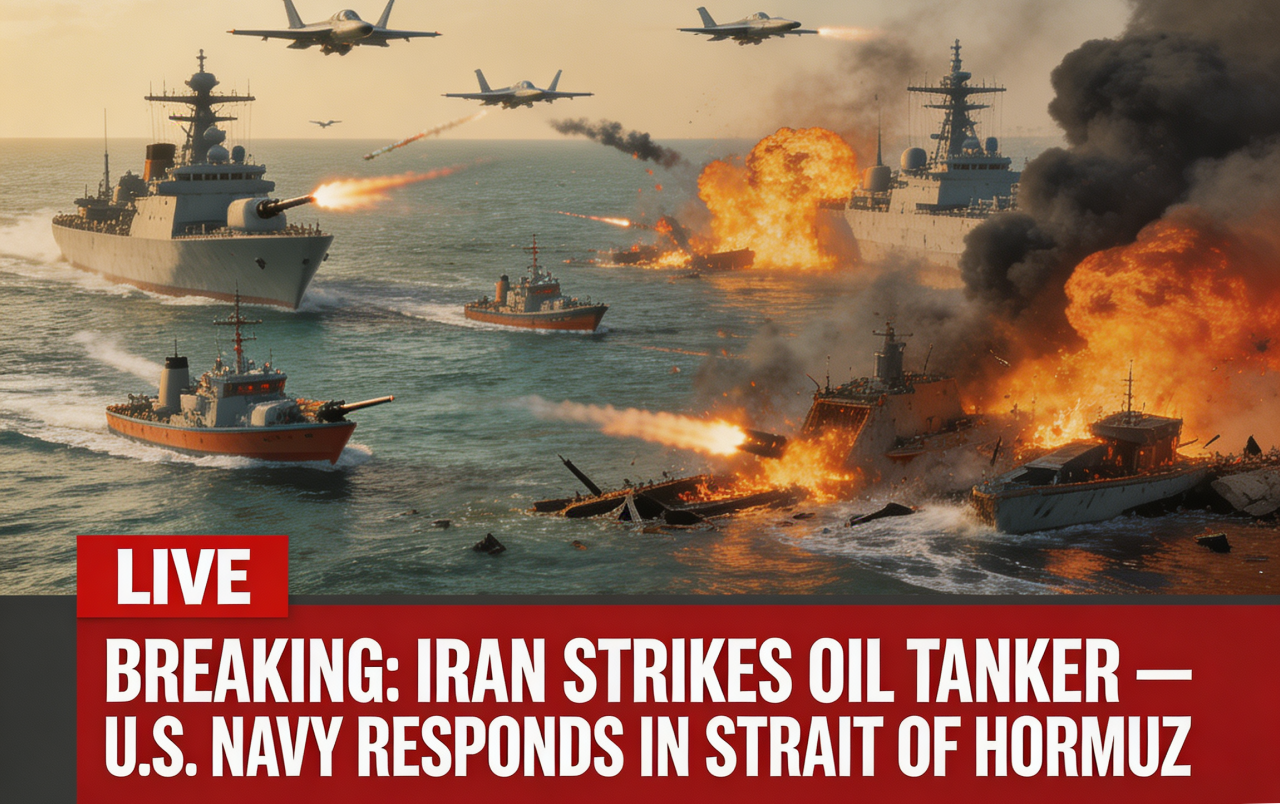
Rising tensions in the Middle East have once again placed the Strait of Hormuz at the center of global attention, as reports of Iranian attacks on oil tankers coincide with a forceful response from the United States Navy. This narrow but strategically vital waterway, through which roughly one-fifth of the world’s oil supply passes, has become a flashpoint in the escalating confrontation between Iran and the United States.
Recent intelligence assessments and incident reports indicate that Iranian forces have increasingly targeted commercial vessels in and around the strait. In several cases, oil tankers were struck, harassed, or even fired upon, signaling a deliberate attempt to disrupt global energy flows and assert regional control. Analysts suggest that such attacks may be intended both as retaliation against U.S. pressure and as a warning to international actors relying on Gulf النفط routes.
In response, the U.S. Navy has significantly expanded its presence in the region. Warships, including guided-missile destroyers, have been deployed to protect commercial shipping and ensure freedom of navigation. In some incidents, U.S. naval forces intervened directly, deterring Iranian vessels and preventing the seizure of oil tankers. These actions underscore Washington’s commitment to maintaining open sea lanes and safeguarding global trade.
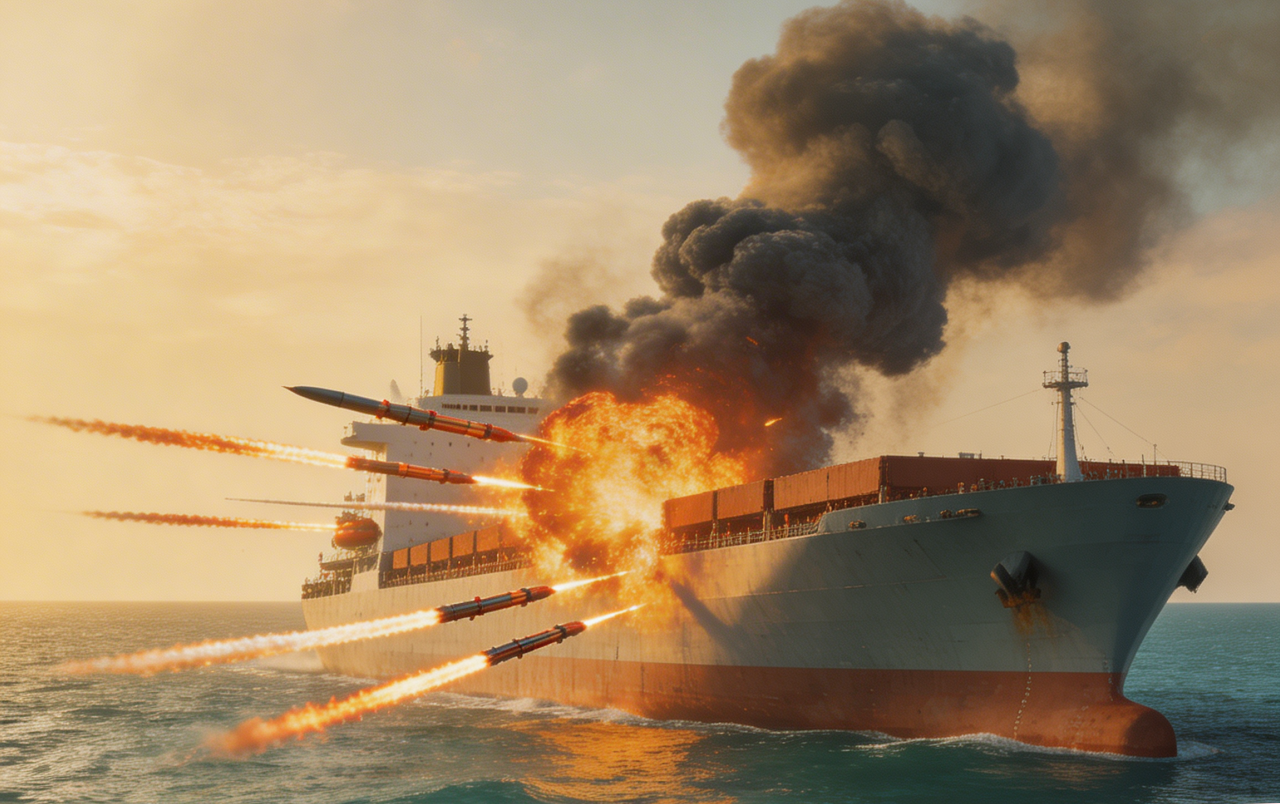
The situation has grown even more volatile following the announcement of a U.S.-led naval blockade targeting Iranian ports. The move, aimed at pressuring Tehran over its nuclear ambitions, has further heightened the risk of confrontation. Iran has condemned the blockade as an act of “piracy” and has threatened retaliation, raising fears of a broader military conflict.
Meanwhile, the economic implications of these developments are already being felt worldwide. Oil prices have surged amid concerns over supply disruptions, and shipping companies are increasingly reluctant to send vessels through the strait due to security risks. Experts warn that prolonged instability could trigger inflation, disrupt global markets, and exacerbate geopolitical divisions.
As both sides continue to demonstrate military resolve, the Strait of Hormuz remains a highly contested and dangerous zone. The interplay between Iranian aggression and U.S. naval intervention highlights the fragile balance of power in the region. Without renewed diplomatic efforts, the risk of further escalation—and its global consequences—remains alarmingly high.