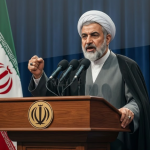
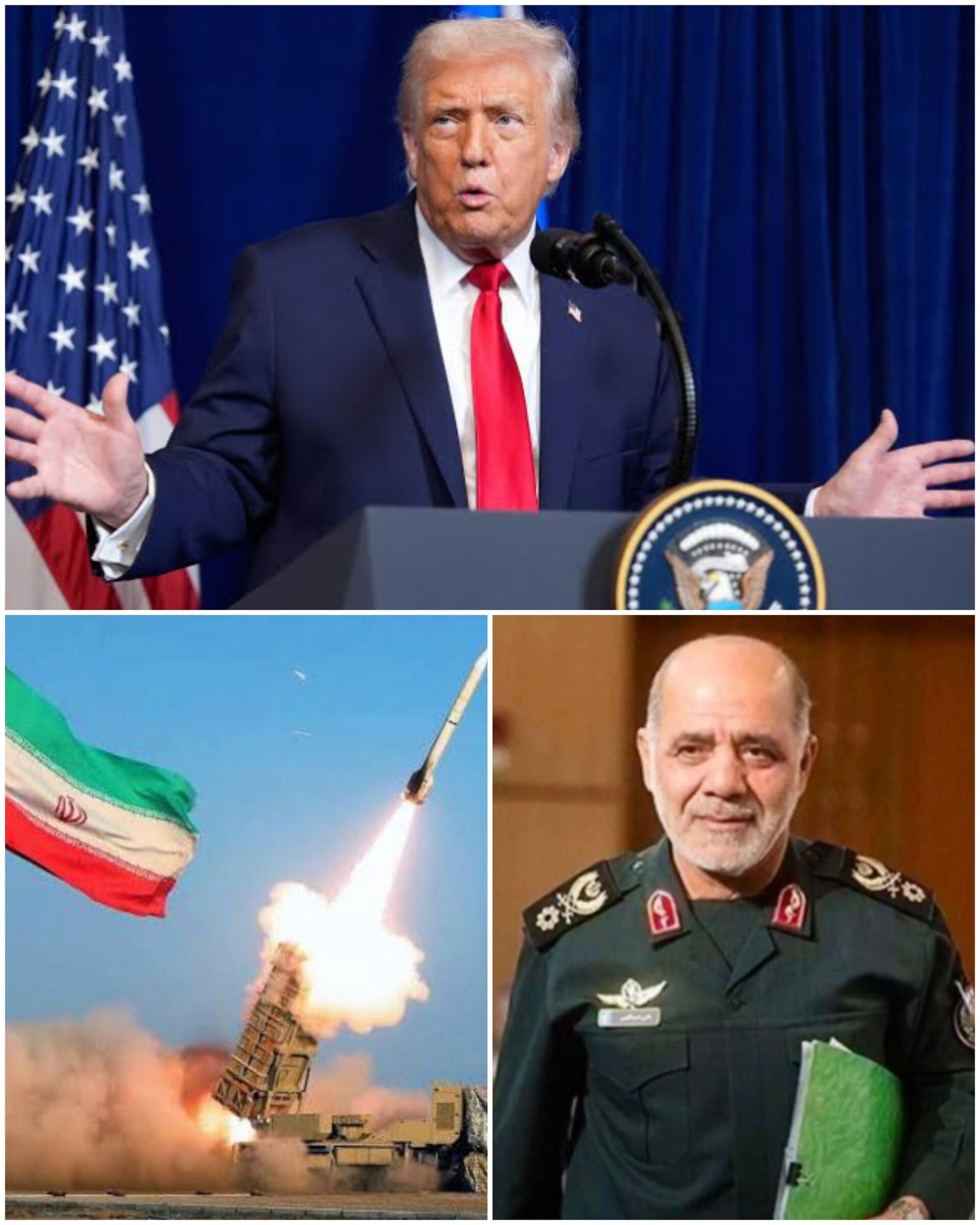
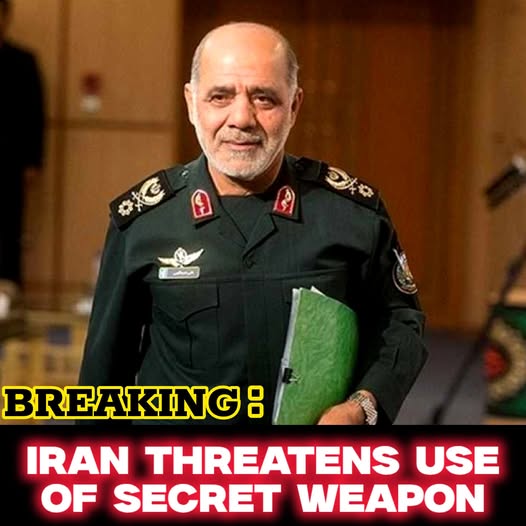
In remarks delivered on Sunday, Major General Abdollahi stated that Iran has adjusted its battlefield strategies in line with a newly developed military doctrine, signaling a shift in how its armed forces approach ongoing operations.
He emphasized that Iran has been investing heavily in advanced military technologies, developed with the support of a new generation of dedicated scientists. According to him, these innovations are designed to significantly alter the balance on the battlefield and challenge the expectations of opposing forces.
Abdollahi also suggested that adversaries are already beginning to encounter the effects of these changes in real combat situations. He indicated that further developments are underway, hinting at additional capabilities that could emerge in the near future and reshape the dynamics of the conflict.
The Khatam al-Anbia Central Headquarters, which operates under Iran’s General Staff, plays a key role in coordinating such efforts. This command structure is responsible for planning and synchronizing operations across different branches of Iran’s military.
The broader conflict escalated following a major turning point on February 28, when the United States and Israel launched a large-scale military campaign against Iran. This came after the killing of Iran’s Supreme Leader, Ayatollah Ali Khamenei, along with several senior military officials and civilians.
Subsequent strikes reportedly targeted a wide range of locations across Iran, including both military installations and civilian infrastructure, leading to significant casualties and damage.
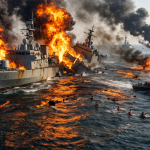
In response, Iranian forces have carried out counterattacks, launching missiles and drones toward U.S. and Israeli positions in contested areas and at regional bases. These retaliatory actions reflect an intensifying conflict that continues to evolve both in scale and in strategy.