The night began with sirens.
Then came the fire.
Across Tel Aviv, explosions ripped through the darkness as a massive wave of Iranian missiles slammed into Israel, overwhelming defenses that, until now, were considered among the most advanced in the world. For years, systems like Iron Dome symbolized near-impenetrable protection. But on this night… cracks appeared.
And the sky lit up.
According to reports, Iran launched multiple waves of ballistic missiles, some carrying different types of warheads—ranging from cluster munitions to mid-sized explosive payloads—targeting major urban and strategic areas, including Tel Aviv and Haifa.
Despite a high interception rate, not everything was stopped.
Several missiles broke through.
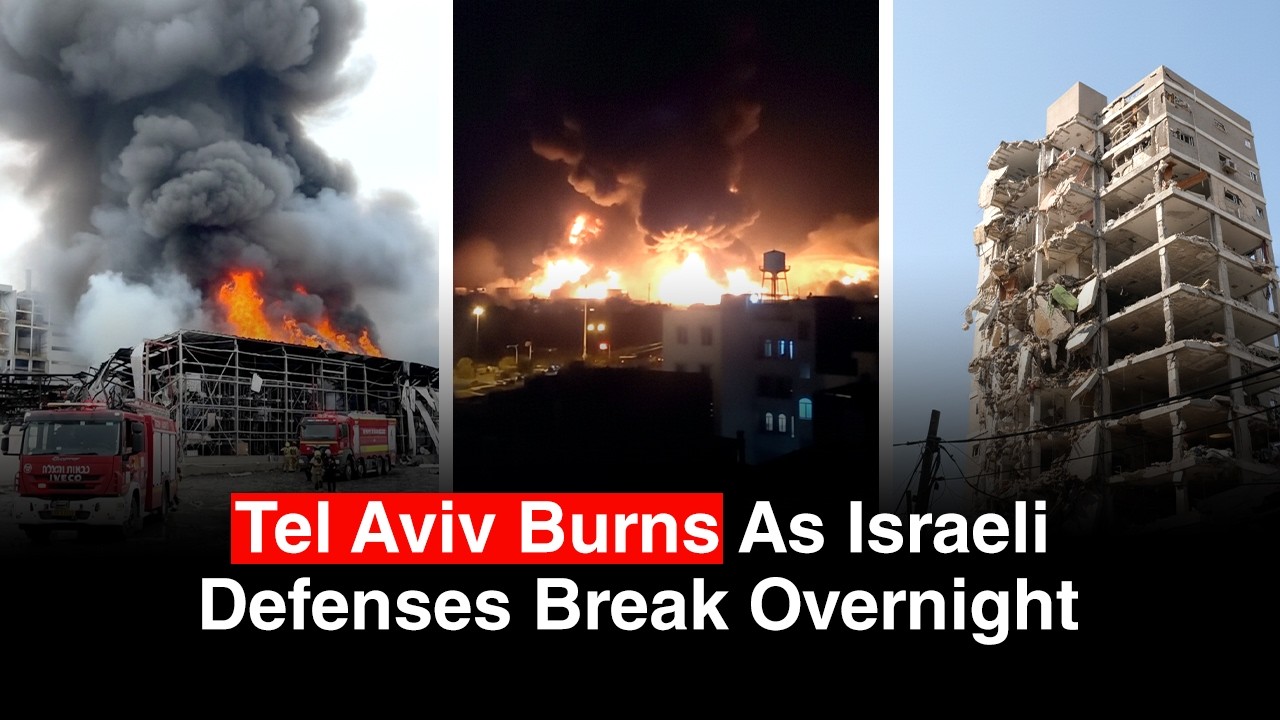
In Tel Aviv, one strike hit a residential area, damaging buildings and sending debris flying through the streets. Fires erupted. Windows shattered. Civilians rushed into shelters as emergency services scrambled to respond.
Elsewhere, impacts caused vehicles to ignite and infrastructure to burn—turning parts of the city into scenes of chaos and confusion.
This wasn’t a single strike.
It was saturation.
Military analysts say Iran likely used a “barrage strategy”—launching enough missiles at once to overwhelm interception systems. Even the most advanced defense network has limits. When dozens—or hundreds—of threats arrive simultaneously, difficult decisions must be made in real time about which to intercept.
And sometimes… some get through.
Recent assessments confirm that while Israel intercepts the majority of incoming threats, a small percentage of missiles have still penetrated defenses, causing casualties and damage.
That small percentage is all it takes.
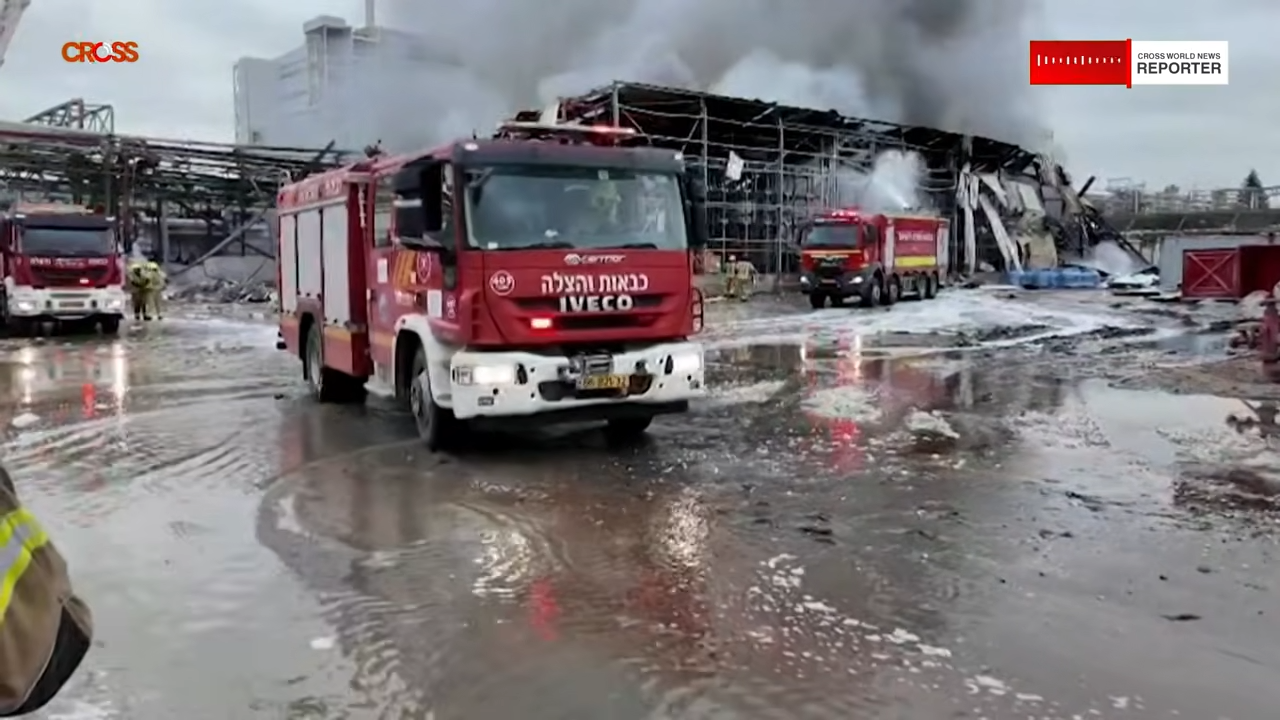
Meanwhile, Haifa—Israel’s critical energy hub—also came under attack. Missiles struck near the country’s largest oil refinery, sending flames and smoke into the sky and raising fears of wider disruption.
Together, the strikes painted a clear picture:
This war is no longer contained.
It’s expanding—both in scale and intensity.
Iran has launched hundreds of missiles since the conflict began, aiming not just at military targets but at economic and civilian infrastructure. The goal is clear: apply pressure, create disruption, and expose vulnerabilities.
And for Israel, the message is equally stark.
No defense system is perfect.
Even a 90% interception rate still means impacts. Still means fires. Still means fear.
As dawn broke over Tel Aviv, the fires were being extinguished—but the implications were just beginning to sink in.
Because this wasn’t just about damage.
It was about perception.
For the first time in this conflict, the idea of total protection has been challenged in a very visible way. And in modern warfare, perception can be just as powerful as reality.
Now, both sides are escalating.
Israel continues its deep strikes inside Iran. Iran continues launching missiles in response. And each exchange raises the stakes higher.
Because if this was just one night…
The next could be even worse.