This morning’s reports from the escalating U.S.–Iran war indicate a major American attack on Iranian military infrastructure linked to strategic control of the Strait of Hormuz, one of the most critical maritime choke points in the world. The strike is described by U.S. military sources as a large‑scale precision operation aimed at neutralizing Iran’s ability to threaten shipping and deploy naval forces in that region.
According to official statements and multiple defense sources, U.S. forces carried out an intense air and missile assault on Iranian military installations near the Strait of Hormuz, specifically targeting coastal defense sites, missile batteries, and naval support infrastructure that Iran had used to challenge international shipping. These military bases are considered key nodes in Iran’s ability to assert control over the narrow waterway, through which roughly one‑fifth of the world’s oil supply normally transits.
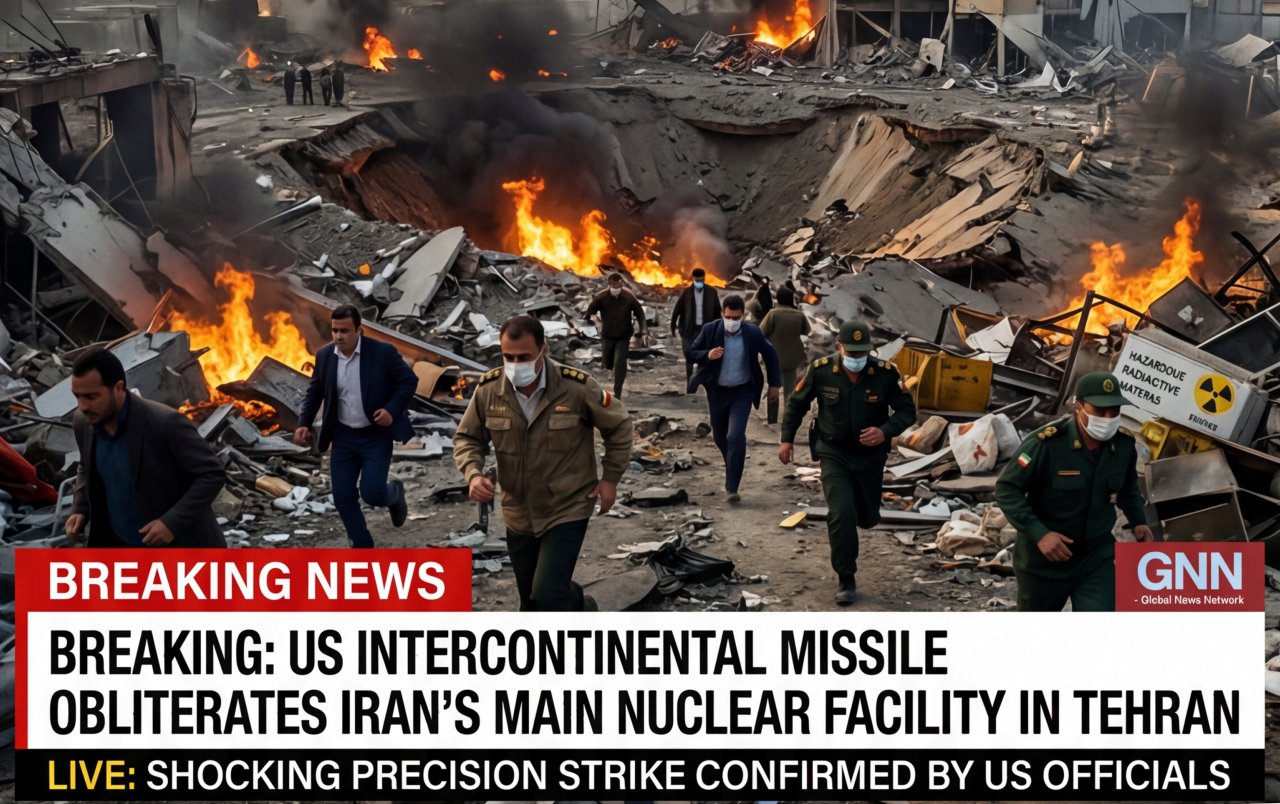
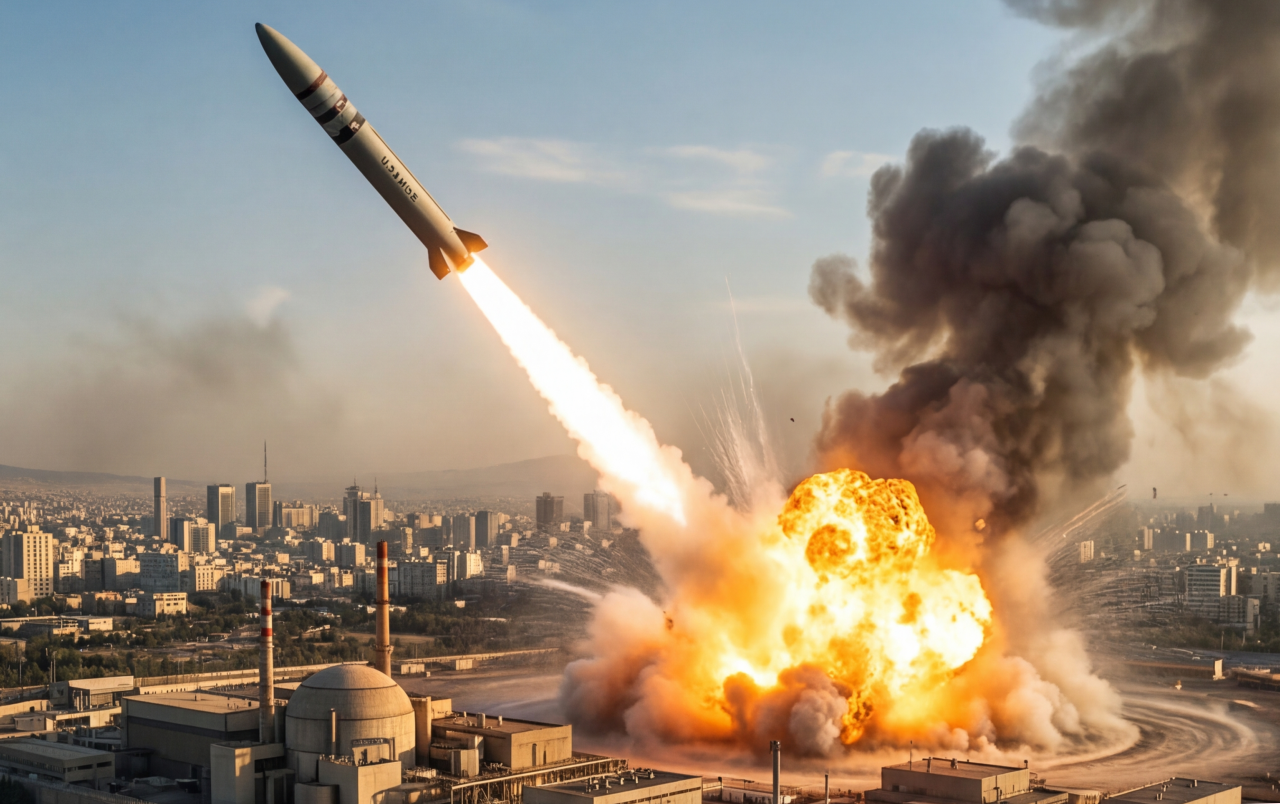
The assault reportedly began in the early morning hours with coordinated launches from U.S. Navy ships, long‑range bombers, and precision strike aircraft. The U.S. Central Command described the strike as “decisive and overwhelming,” claiming that every designated military target was destroyed and that Iranian forces suffered heavy losses. Unverified satellite images circulating on social media and shared by regional analysts show extensive fire and smoke rising from multiple locations along the Iranian coast, consistent with large explosions at naval and missile sites.
Iranian state news agencies responded with defiant language, condemning the attack as a blatant act of aggression and vowing retaliation. Tehran’s leaders have repeatedly warned that any further strikes on Iranian territory would trigger counterattacks not only against U.S. military assets but also against allied bases and interests throughout the Gulf region. Analysts note that Iran’s Revolutionary Guard has maintained a strategy of dispersing its military capabilities to complicate U.S. targeting, but the scale of this latest strike appears to have overcome much of that strategy.
The destruction of these bases has immediate strategic implications. Iran’s ability to project power in the Strait of Hormuz, including the deployment of fast attack craft, missile batteries, and radar installations that could threaten commercial and military vessels, is now severely degraded. This is likely to shift the balance in maritime operations, reducing the direct military threat to shipping lanes but escalating tensions across the region.
Global markets reacted quickly to the news, with oil prices spiking as traders assess the impact of renewed conflict on energy supplies. Despite U.S. assurances that energy infrastructure is not a target, the disruption of Iran’s military control over the strait raises uncertainty about the security of Gulf oil flows. International calls for de‑escalation have increased, with several countries urging both Tehran and Washington to pursue negotiations to prevent further expansion of hostilities.
For now, U.S. forces remain on high alert across the Gulf and surrounding regions, preparing for potential Iranian retaliation and reinforcing defense positions in strategic locations. The latest strike marks one of the most significant direct confrontations in this conflict, dramatically altering the tactical environment around the Strait of Hormuz and setting the stage for what could become a prolonged military campaign.
Summary: A major U.S. strike has reportedly destroyed Iran’s principal military installations controlling access to the Strait of Hormuz. The attack has significantly weakened Tehran’s military posture in the region, triggered sharp geopolitical reactions, and intensified global concerns over the stability of energy supplies and the risk of broader conflict.