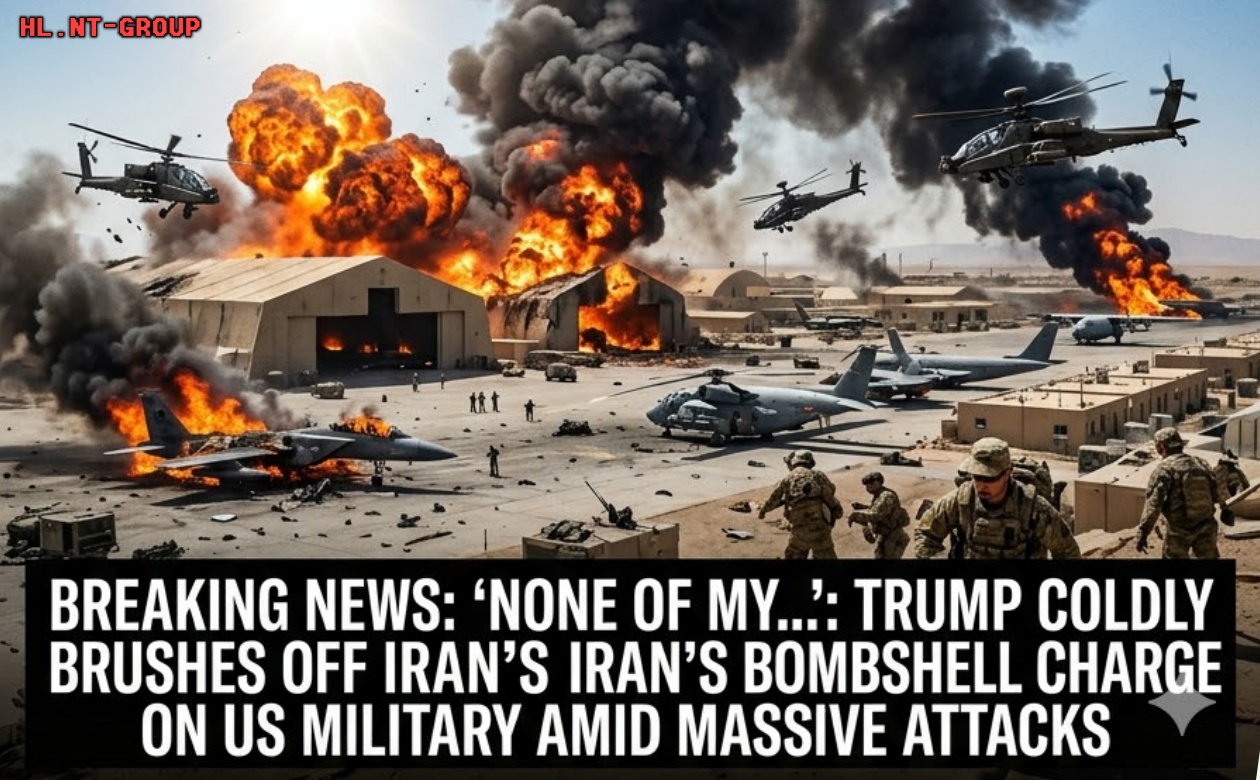
In the midst of rising hostility between the United States and Iran, diplomatic relations are increasingly defined by sharply contrasting narratives. Tehran has repeatedly issued dire accusations against Washington, alleging everything from direct military aggression to covert interference inside Iran’s borders. Many of these claims have been publicly dismissed or downplayed by U.S. President Donald Trump and his administration, fueling deeper mistrust between the two nations.
Iran’s leadership has accused the United States of launching disproportionate strikes and violating Iranian sovereignty, with Iranian officials lambasting American military actions near strategic locations such as the Strait of Hormuz and Chabahar. These charges have prompted strong rebuttals from Washington, which portrays its operations as targeted and necessary for regional security. Despite Tehran’s claims of suffering extensive damage and destabilization from U.S. attacks, President Trump has repeatedly sought to distance himself from those accusations, often responding with curt statements emphasizing American resolve and strength.
In public remarks and social media posts, Trump has appeared to brush off Tehran’s criticisms, suggesting that many Iranian claims are exaggerations or politically motivated attacks rather than objective assessments of battlefield realities. His dismissive tone toward Iranian accusations—summed up by phrases like “none of my concern” in various briefings and interviews—reflects an effort to control the narrative in Washington and reassure both domestic and international audiences that U.S. military strategy remains deliberate and justified.
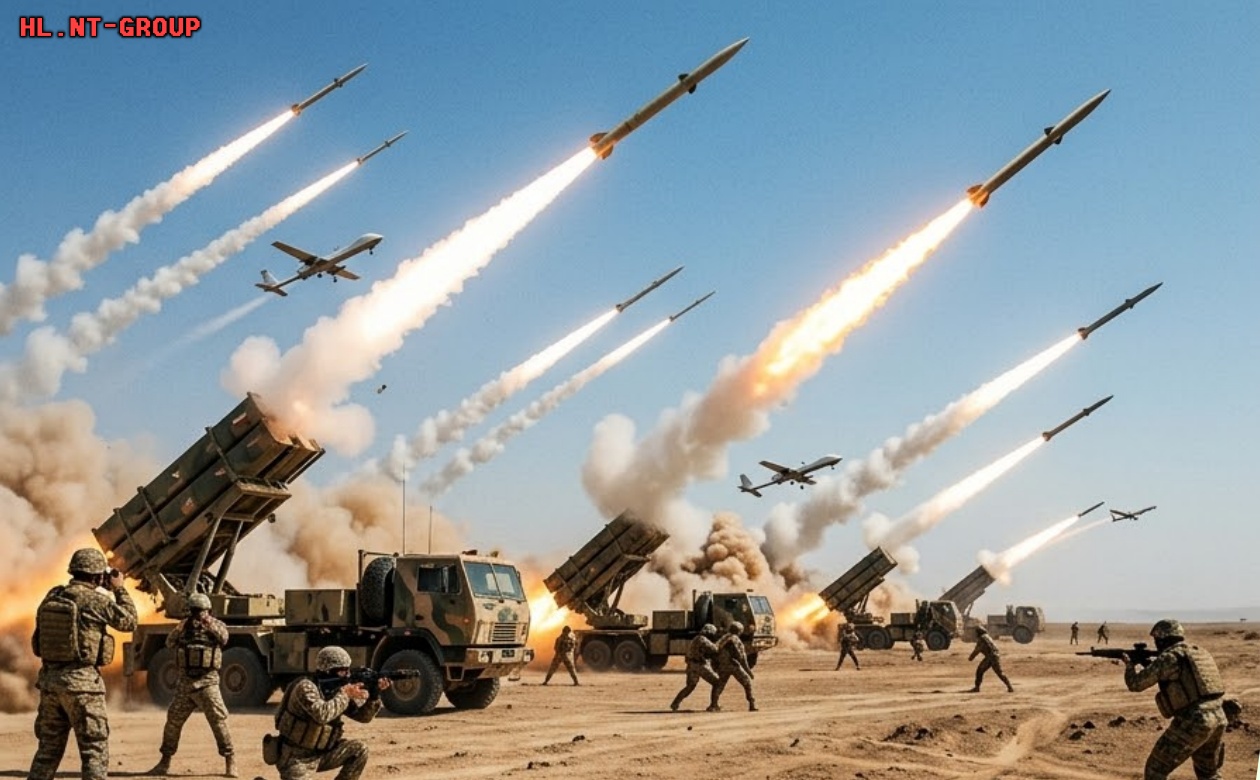
Critics have argued that this approach risks trivializing serious international concerns and undermines efforts to engage diplomatically with Tehran. Legal scholars, military officials, and human rights advocates have expressed alarm over inflammatory language and the potential for escalation—especially when statements suggest vast destruction or cultural erasure unless Tehran meets a set of U.S. demands. Some retired military leaders have even labelled certain threats as potentially illegal under international law, underscoring how Trump’s rhetoric may complicate military professionalism and legal norms.
At the same time, Trump has also shown an inclination toward negotiation, having agreed to brief pauses in military operations contingent on specific conditions, such as the reopening of crucial shipping routes like the Strait of Hormuz. This conditional ceasefire stance suggests a dual strategy—one that pairs military pressure with periodic diplomatic opening, depending on Tehran’s response.
Ultimately, the public exchange of accusations between Tehran and Washington illustrates the broader struggle for control over both military and informational currents in the conflict. While Iranian officials paint U.S. actions as aggressive and destabilizing, Trump’s consistent dismissal of those charges reveals a rigid leadership style that prioritizes strategic messaging and resilience over diplomatic concession. As the situation continues to evolve, how these competing narratives affect regional stability and global perceptions will remain a central question shaping the future of the U.S.–Iran confrontation.