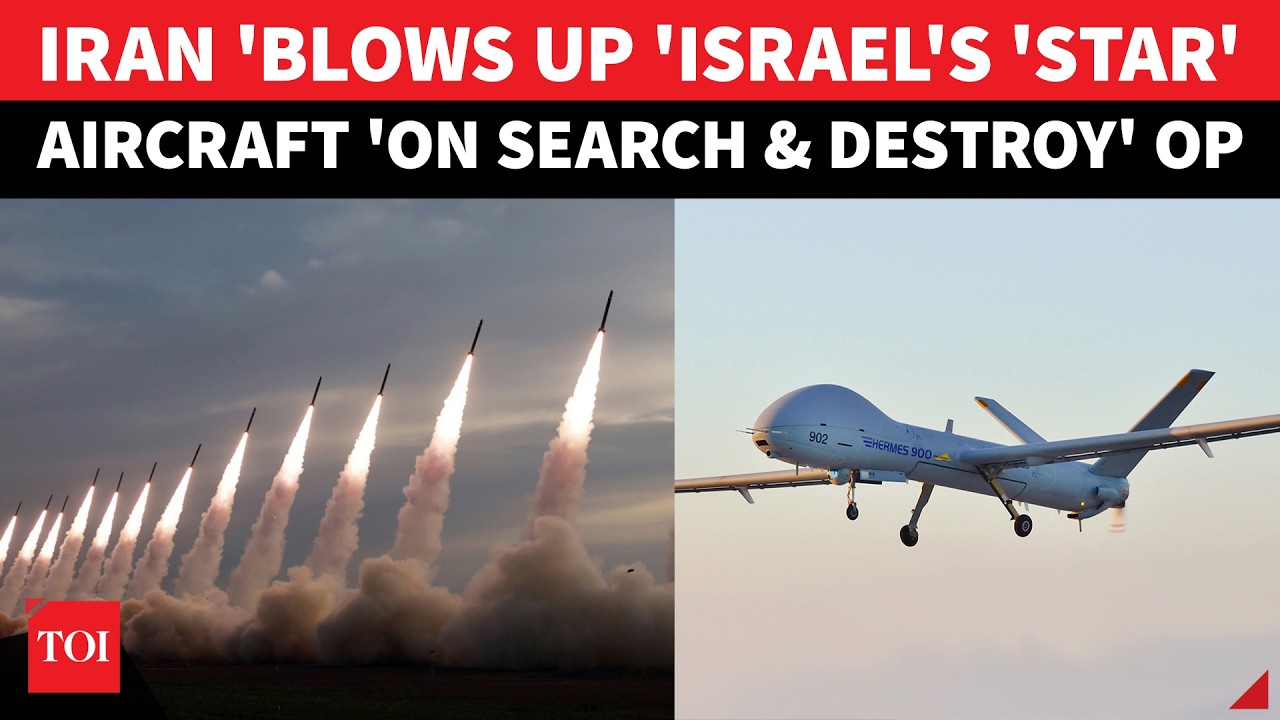
In a dramatic escalation following a fragile ceasefire, Iran has claimed to have shot down an advanced Israeli unmanned aircraft, raising fears that the truce may already be unraveling. According to statements from Iran’s Islamic Revolutionary Guard Corps (IRGC), a Hermes 900 drone—one of Israel’s most sophisticated surveillance and strike UAVs—was intercepted and “blown to bits” over the southern province of Fars.
The incident is being described by Iranian sources as a decisive response to what they call a violation of the ceasefire. Officials warned that any unauthorized entry into Iranian airspace—whether by the United States or Israel—would be treated as hostile, regardless of whether the aircraft was engaged in active combat. This hardline stance signals that Tehran is maintaining a high level of military readiness despite the temporary halt in large-scale hostilities.
Reports indicate that the drone was detected and destroyed by Iran’s air defense systems near the city of Lar. Iranian media emphasized that the interception demonstrates the effectiveness of its integrated aerospace defense network, which has been heavily tested during recent confrontations. The Hermes 900 itself is a high-end Israeli platform known for long-endurance missions, intelligence gathering, and precision strike capabilities, making its loss both symbolically and tactically significant.
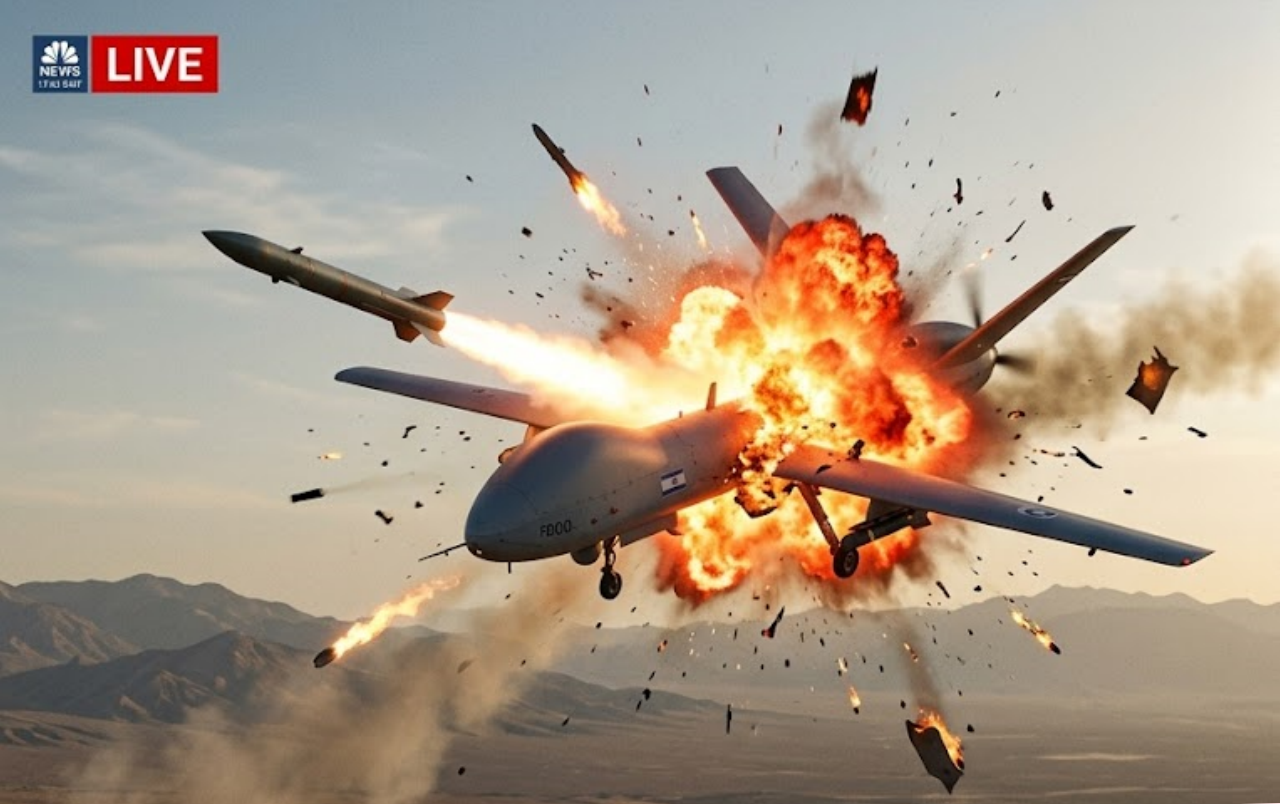
However, the claim remains difficult to independently verify. In previous incidents during the ongoing conflict, both sides have released competing narratives about aerial losses. For example, Iran has previously reported downing multiple drones and aircraft, including Israeli and U.S. systems, though external confirmation has often been limited. This pattern underscores the information warfare element that accompanies modern conflicts, where perception can be as important as battlefield outcomes.
If confirmed, the shootdown could mark one of the first major incidents after the ceasefire, raising questions about its durability. Analysts warn that even isolated confrontations like this can quickly spiral into broader escalation, especially in a region already on edge. The fact that an advanced Israeli drone was allegedly operating in Iranian airspace suggests that intelligence and surveillance missions are continuing despite diplomatic efforts.
Ultimately, this event highlights the fragile nature of the current truce. While official agreements may pause large-scale attacks, the skies remain contested—and volatile. Whether this incident becomes a turning point or just another episode in an ongoing shadow war will depend on how both sides choose to respond in the coming days.