The Middle East is witnessing a complex and dangerous “double strategy” dynamic, where Iran’s long-term nuclear ambitions intersect with immediate regional conflict—leaving Israel trapped between a hidden threat and an active frontline.
At the core of this strategy is Iran’s nuclear program. Despite years of international scrutiny, growing evidence suggests that critical elements of Iran’s nuclear capabilities remain concealed or inaccessible. Recent reports indicate that large stockpiles of enriched uranium are no longer fully monitored, raising global concern about how close Tehran may be to developing a nuclear weapon. This ambiguity appears intentional: by keeping parts of its program hidden or dispersed, Iran preserves strategic uncertainty—deterring enemies without triggering full-scale preemptive destruction.
This “shadow nuclear posture” allows Iran to play a long game. Even when facilities are targeted, experts note that knowledge, materials, and infrastructure are often decentralized and resilient. In effect, Iran doesn’t need to openly declare nuclear capability; the suspicion alone shifts the balance of power.
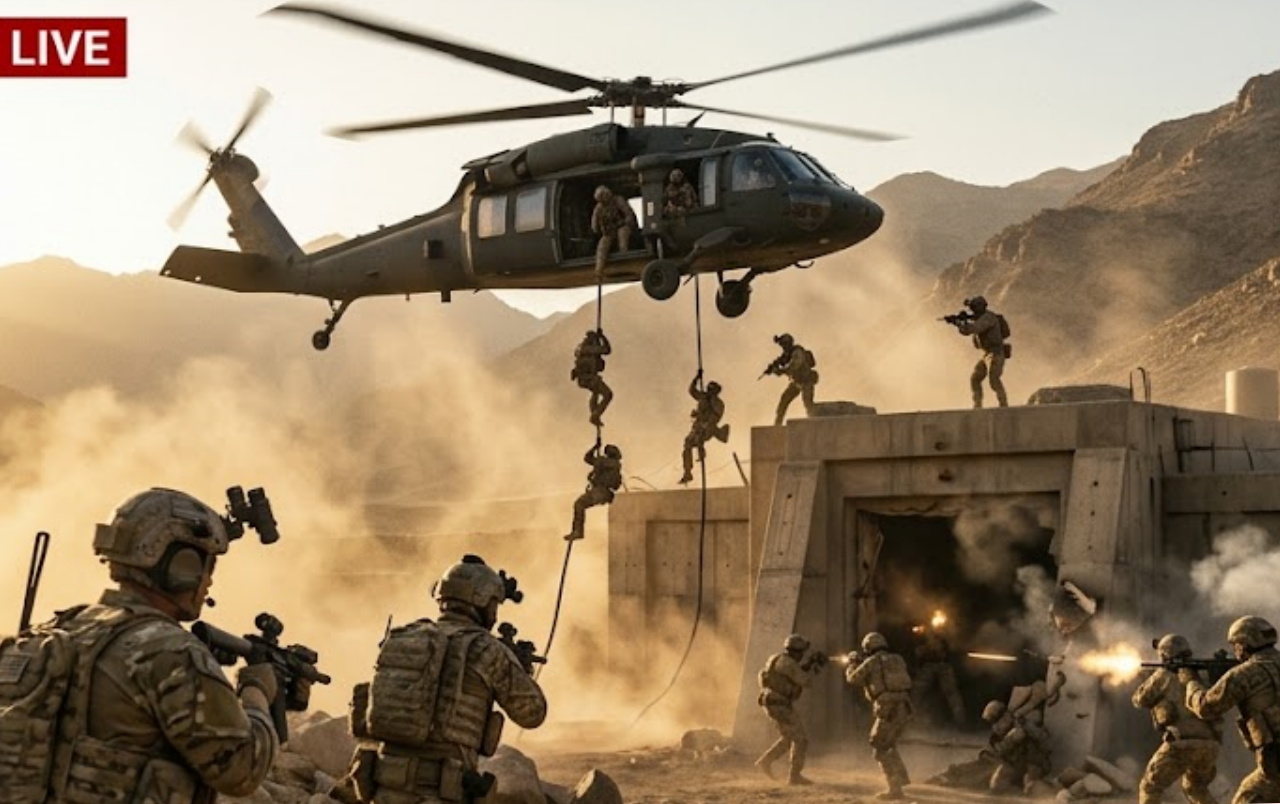
At the same time, Iran is executing a second layer of strategy—leveraging regional proxies, most notably Hezbollah. The group, heavily funded and armed by Tehran, has evolved into a powerful military force on Israel’s northern border, equipped with tens of thousands of rockets and advanced weapon systems. This creates a constant, immediate threat that Israel cannot ignore.
Recent escalations highlight how these two strategies work together. While Israel conducts strikes deep inside Iran targeting nuclear and military assets, Hezbollah simultaneously increases pressure from Lebanon and surrounding areas. This forces Israel into a strategic dilemma: focus on Iran’s long-term nuclear threat, or defend against short-term attacks from Hezbollah.
In reality, Israel must do both—and that is precisely the challenge. Striking Iran risks triggering wider retaliation across the region, including missile attacks and proxy warfare. Meanwhile, ignoring Hezbollah allows Iran to tighten its grip through asymmetric warfare, effectively surrounding Israel with hostile forces.
This dual pressure creates a form of strategic entrapment. Iran avoids direct, full-scale confrontation while still applying continuous pressure through indirect means. By combining nuclear ambiguity with proxy warfare, Tehran maximizes its leverage without exposing itself to immediate destruction.
For Israel, the situation is increasingly precarious. Every military move carries the risk of escalation on multiple fronts. Every delay risks allowing Iran’s hidden nuclear capabilities to advance further.
Ultimately, this “double strategy” reflects a broader transformation in modern warfare—where power is no longer defined solely by visible weapons, but by what remains hidden, deniable, and strategically positioned.