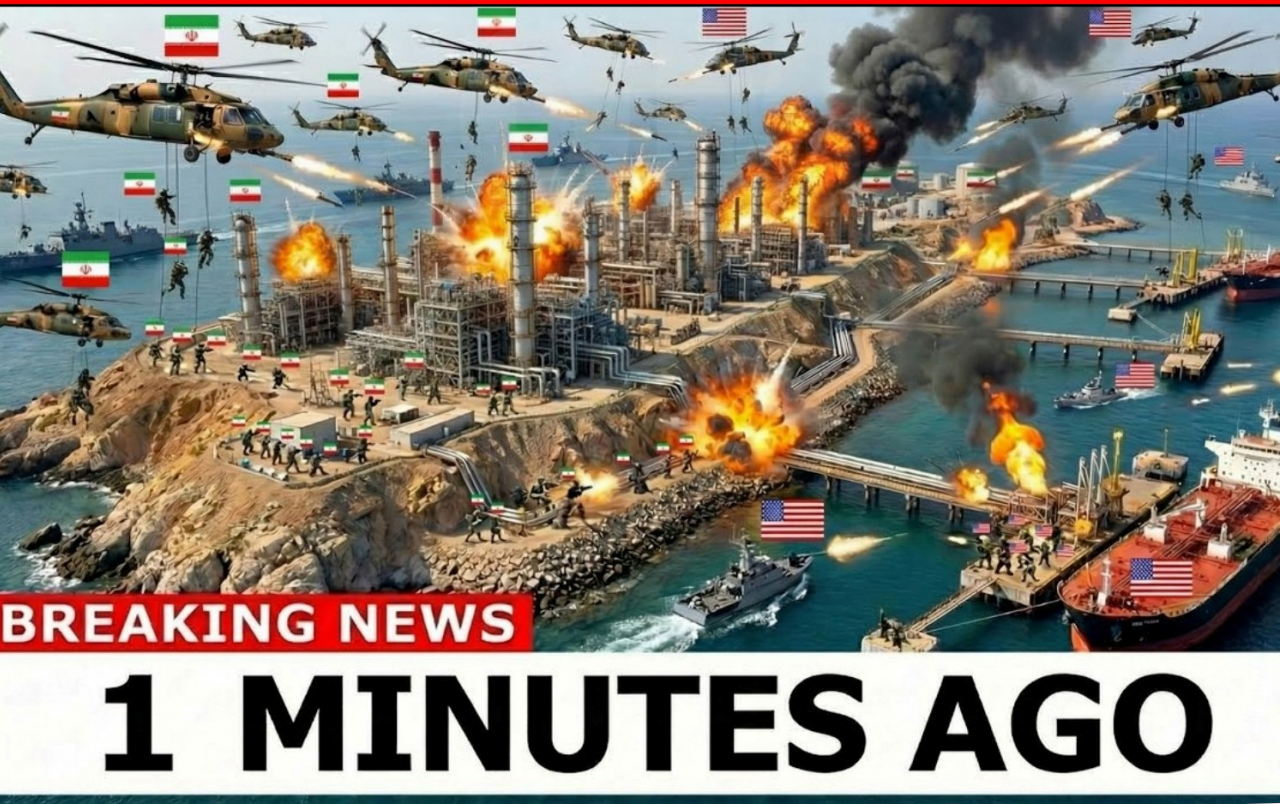
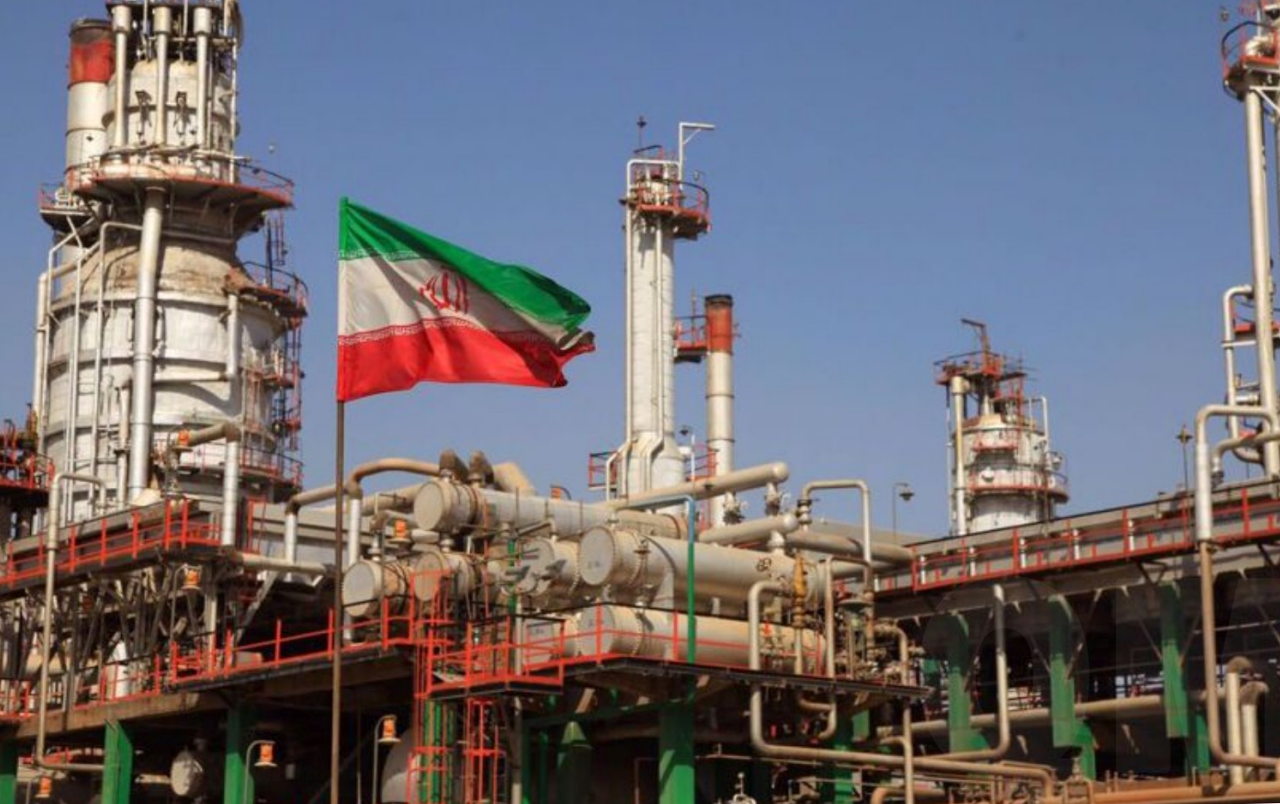
In an astonishing and unprecedented escalation of the ongoing U.S.–Iran conflict, explosive reports are circulating that elite U.S. Army Rangers have executed a daring special operations raid on Iran’s largest oil refinery complex in Abadan — a site considered the backbone of Iran’s domestic fuel production. According to these unverified accounts, the strike has not only neutralized the facility but effectively wiped out nearly 40% of Iran’s internal fuel refining capacity, a blow with far‑reaching military and economic implications.
The Abadan refinery, one of Iran’s oldest and historically most significant energy hubs, has played a central role in supplying gasoline and diesel to markets across the country. Its destruction would represent a crippling disruption to the energy lifeline that sustains everything from civilian transportation networks to logistical fuel supplies for military operations.
According to dramatic claims emerging on social media and circulating among defense analysts, the US Army’s elite Rangers — a rapid deployment force renowned for high‑risk airborne and amphibious operations — reportedly infiltrated Iranian airspace under heavy cover of electronic warfare and precision strikes. Their objective: a lightning assault on Abadan’s refinery infrastructure, followed by immediate exfiltration before Iranian defenses could fully react.
While Western military sources have not publicly confirmed such an operation, the narrative has quickly gained traction due to mounting tensions in the region. The U.S.–Iran war, now entering its sixth week, has already seen high‑profile aerial engagements, missile exchanges, and strategic strikes on critical infrastructure on both sides. Iranian air defenses recently downed at least one U.S. aircraft — an F‑15E fighter — underscoring the conflict’s intensity and the risks involved in any deep‑penetration mission.
If true, the implications of knocking out 40% of Iran’s refining capacity would be profound. Domestically, it could trigger fuel shortages, massive price spikes, and economic panic, further destabilizing an already war‑torn nation. Militarily, it would directly impact Iran’s ability to fuel its air force, armored units, and defensive batteries — potentially tilting the tactical balance in favor of U.S. and allied forces.
Globally, such an attack would send shockwaves through energy markets. Iran sits near the strategic Strait of Hormuz, through which a significant portion of the world’s oil supply transits. Disruption of Iranian fuel production — whether through aerial bombardment or ground raids — has already contributed to volatility in crude prices, compounded by regional uncertainties and shipping disruptions.
Yet skepticism remains high. Analysts caution that many such reports are being amplified by both sides’ information campaigns, where aggressive claims of victory are used to bolster morale and influence global perception. No independent news agency or official military spokesperson has authenticated the Abadan raid, and Iranian authorities have not acknowledged any loss of control over the refinery complex at this time.
Still, in a theater where reality and rumor increasingly blur, the world watches with bated breath — knowing that even a single piece of confirmed evidence could redefine the scope and cost of this devastating conflict.